There’s a moment at every outdoor cook that has nothing to do with temperature or technique. It’s when you put the food down in front of people. What it’s on, how it looks, whether it invites you in or just sits there — that’s presentation. And presentation is part of the cook.
The BBQ Charcuterie Board Trend: Why It Landed
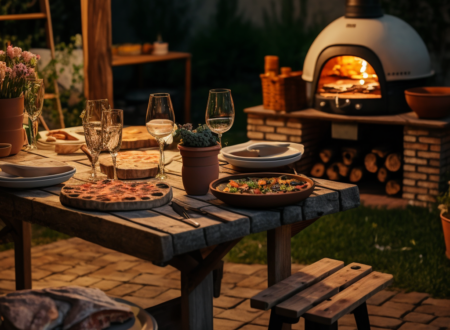
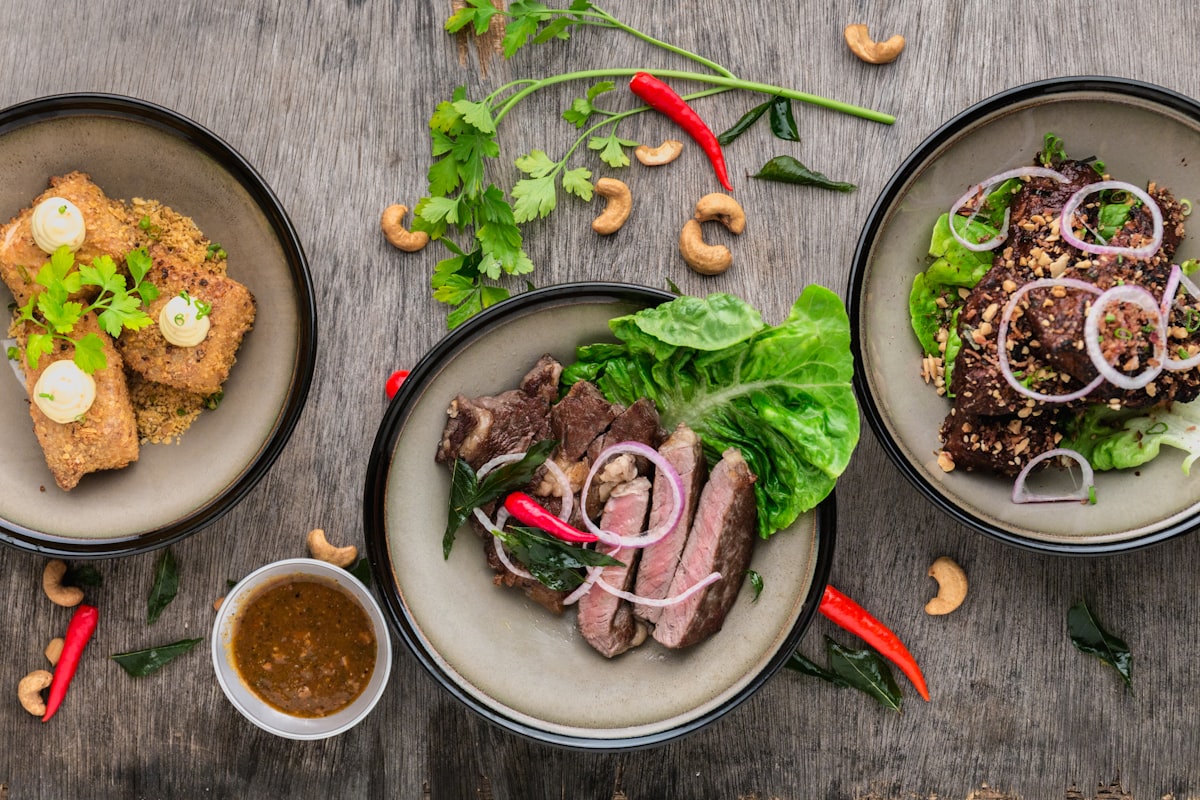
The BBQ charcuterie board — smoked meats, grilled vegetables, pickles, sauces and bread arranged together on one large surface — has moved from social media novelty to standard entertaining format in the space of a few years. It landed for a reason: it extends the communal, unhurried quality of a long outdoor cook into the eating. Everyone reaches across. Conversations happen. The food stays warm on a board that retains heat rather than going cold on individual plates.
But the surface matters. A plastic chopping board turns a beautiful spread of smoked brisket and charred flatbreads into a canteen serving. A cheap bamboo board warps and splits after a summer of use. The material you choose changes the experience.
Why English Oak
The Bison Hill BBQ Blocks are handcrafted from English oak — sourced locally in Surrey — for a combination of reasons that are both practical and aesthetic.
Hardness. Oak is a tight-grained hardwood that resists knife marks, doesn’t splinter into food, and holds its surface integrity through years of use. Softer woods — pine, poplar, some bamboos — score and groove quickly, creating harbours for bacteria that are impossible to clean properly.
Heat retention. Thick oak retains warmth from the food placed on it. Your smoked meats stay table-warm through a shared meal rather than cooling in minutes on a thin surface.
Appearance. Oak grain is complex and distinctive — dark streaks, tight figure, natural colour variation that makes every board different from every other. Finished with Danish oil (food-safe, deeply penetrating, naturally water-resistant), it develops a depth that sits beautifully under marbled meat, char marks, and the deep colours of properly smoked food.
Natural edge. The BBQ Blocks retain the live edge of the timber — the outer edge of the tree, irregular and organic. No two boards are identical. This isn’t a marketing point; it’s what makes a board feel like something made rather than manufactured.
Sizes: 40cm to 80cm
The BBQ Blocks come in a range of lengths from 40cm to 80cm. At 40–50cm, you’re looking at a board ideal for a resting and carving surface for a single joint, or a personal serve for two. At 60–80cm, it’s a centrepiece board — the kind of surface that holds a full spread for 6–8 people and dominates the table in the best way.
At the larger end, these boards are substantial enough to hold the weight of a full packer brisket, a spatchcocked bird, or a rack of ribs and still look deliberate rather than cramped.
Caring for Your Board
Danish oil needs occasional reapplication — once or twice a year if you’re using the board regularly. The process takes 10 minutes: clean board, apply oil with a cloth, wipe off the excess, leave to cure. The board comes back looking new. Never put it in the dishwasher; never soak it in the sink. Treat it like a piece of furniture that occasionally gets sliced on, and it will last indefinitely.
The BBQ Block is also available as a keyring — a small, oil-finished oak token that makes a surprisingly useful and distinctive gift alongside the full board set.