After a 10-hour smoke, your pork shoulder is resting and your guests are waiting. How you shred it in the next 10 minutes will determine whether you serve pulled pork or something that looks like it came out of a food processor. The method matters more than people admit.
The Methods: A Genuine Comparison
Two Dinner Forks
The classic. Works at low volume — one butt for a family dinner. The pulling motion gives you good control over texture, and you can keep the bark pieces intact if you’re careful. The downsides: dinner forks are short, they flex under load, and by the time you’re halfway through 4kg of shoulder your forearms know about it. Tines are too few and too close together for efficient pulling. Adequate. Not optimal.
Bear Claws / Meat Claws
Popular gift item. The claws do work — they let you rake through meat quickly and they’re heat-safe up to reasonable temperatures. The problem is control. Claws shred everything at the same rate regardless of texture, which means the bark — the smoked, caramelised outer layer that contains most of the flavour — gets mashed into everything instead of being kept in deliberate pieces. You end up with uniform, fine shreds that taste good but miss the textural contrast that makes great pulled pork great.
Stand Mixer (Paddle Attachment)
Yes, it works. Drop the hot meat into the bowl, run the paddle on low for 20 seconds, done. If you’re catering for 30 people this makes sense. For a normal cook it’s overkill in every sense — you’re washing a stand mixer bowl at 11pm, and the result is extremely fine, borderline paste-like shreds with no bark structure remaining. It’s efficient. It’s not great.
Your Hands
With good insulated gloves or once the meat has cooled enough, pulling by hand gives you the most control over texture of any method. You can feel the muscle fibres, identify the fat seams, keep the bark in chunks. The BBQ community consistently rates hand-pulling as the gold standard for texture. The problem is speed and temperature — it’s slow, and you either need to wait for the meat to cool or deal with heat.
Where the King Fork Fits
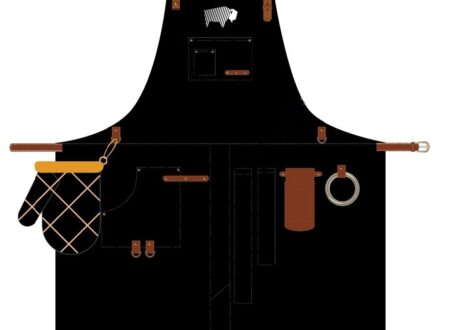
The King Fork is a pair of shredding forks — 7 tines each, wider and longer than a dinner fork, with a D-ring hook for hanging on the apron. The 7-tine count is specific: enough teeth to move significant volume of meat on each pass, spread wide enough to pull through large muscle groups without tearing the bark into dust.
In use, the King Fork sits between hand-pulling (for texture) and bear claws (for speed). You get genuine control — you can pull long fibres, keep bark chunks deliberate, and mix fat through the shreds evenly — at a pace that lets you work through a full shoulder in under 5 minutes without exhausting your hands on small dinner forks.
It’s also the right tool for brisket, where the distinction between the flat and the point matters and you want to keep an even mix of both in every serving. The wide tine spread lets you blend without homogenising.
The Verdict
For texture: hand-pulling wins, King Fork is second, dinner forks third, claws fourth, mixer last.
For speed at volume: mixer wins, claws second, King Fork third, dinner forks fourth, hands last.
For the combination of texture and speed at normal cook volumes (1–3 people, one shoulder): King Fork.
It’s also the right tool to let a guest have a go — it’s intuitive, safe, and makes them feel part of the cook rather than just waiting to eat.