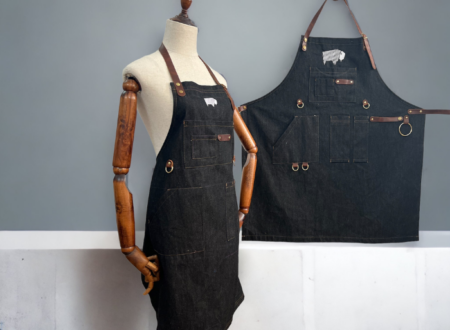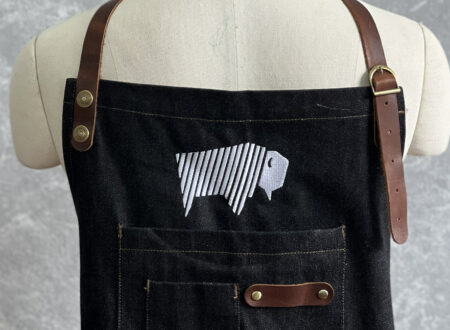
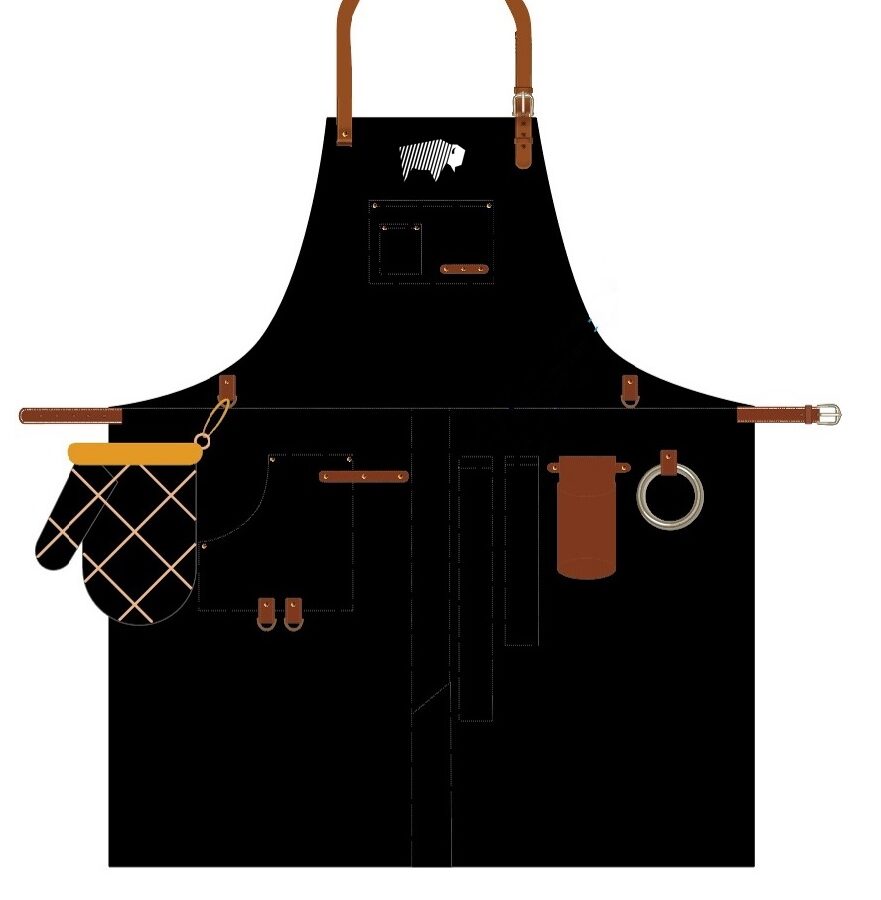
BUY ONCE is one of our four brand pillars. It’s on every Bison Hill product, on the website, in everything we write about what we’re building. It’s also a decision we made before we had a prototype, before we had a manufacturing partner, and before we had a single customer. That order matters.
What Buy-Once Actually Costs
The buy-once commitment changes every decision downstream. It means materials have to be better, which costs more. Construction has to be tighter and more durable, which takes longer. Price has to reflect the actual cost of making something properly rather than the market’s average expectation of what a BBQ apron should cost. You can’t make a genuinely buy-once product and compete on price. You can only compete on value over time.
We knew this going in. It narrows the addressable market. The customer for a buy-once product is specifically someone who has bought disposable versions before, understands the frustration, and is ready to spend more once to stop spending repeatedly. That’s a real market segment, but it’s not the largest segment.
Why the Disposable Alternative Doesn’t Work for Us
The BBQ accessory market has plenty of room for products that are bought, used for a season or two, and replaced. That’s a perfectly viable business model — in fact it’s the dominant one. Repeat customers who replace worn-out products are good for revenue. We deliberately chose not to be in that market.
The reason is partly philosophical and partly practical. Philosophically, we didn’t want to build something designed to fail. Practically, the buy-once customer who uses a Gaucho BBQ Grill Apron for five years and still recommends it to everyone they cook with is more valuable to us than a customer who replaces a cheaper product every eighteen months. The economics work differently, but they work.
12oz Denim and the Buy-Once Logic
The material choice reinforces the philosophy. 12oz heavy denim doesn’t degrade with use — it improves. The fabric softens to the wearer’s movements while retaining its structural integrity. An apron that’s been through a hundred cooks is better than a new one in the ways that matter for comfort and fit. That’s the opposite of how most consumer goods work, and it’s exactly what the buy-once promise requires.
A philosophical commitment, stated clearly at the start, made every subsequent decision easier. When you’ve already decided you’re making something people won’t need to replace, the question “should we use a cheaper component here?” has a clear answer.