Deciding to manufacture in the UK was the easy part. Finding the right partners to do it was six weeks of dead ends, near-misses, and eventually a breakthrough that came through a personal introduction rather than a cold enquiry.
What We Found When We Started Looking
We contacted UK garment manufacturers across a range of sizes and specialisations. The first problem was scale. Most established manufacturers in the UK operate at minimum run sizes that make sense for fashion brands launching seasonal collections — hundreds or thousands of units. We were building a small batch product where the ability to inspect every piece matters more than the ability to produce quickly at volume. The minimum run requirements from most manufacturers ruled them out immediately.
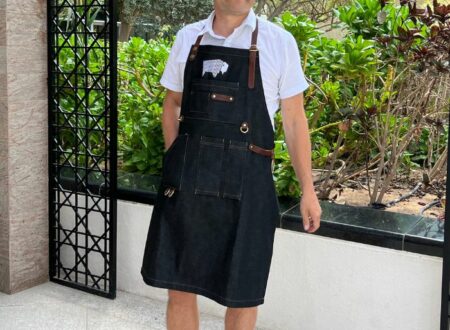
The second problem was material specialisation. 12oz heavy denim at the specification we needed isn’t a common requirement. Several manufacturers we approached worked with lighter weights and weren’t set up for the construction techniques the heavier fabric demands. The seaming, the hardware attachment points, the weight distribution across the crossback strap configuration — these aren’t complicated problems, but they require a manufacturer who understands functional garment construction, not just pattern cutting and assembly.
The STEAMhouse Connection
The breakthrough came through a personal introduction via the STEAMhouse Create Programme in Birmingham. STEAMhouse is a creative enterprise incubator, and the connections we made there proved more valuable than any cold outreach we’d done. We were introduced to manufacturing partners who worked at the kind of scale we needed and who understood functional rather than purely fashion-oriented garment production.
We visited in person. This wasn’t a formality — it was how we assessed fit. We needed partners who cared about the quality of the finished product, not just about filling an order. The difference shows in how they responded to our technical brief: questions about construction rather than questions about volume and margin.
What Made the Difference
The right manufacturing partners for Bison Hill had three things in common: they understood functional requirements, they could work in small batches, and they were willing to iterate with us through the prototype process. That last point is important. Getting from concept to production-ready took four prototypes. A manufacturer who wants the brief signed off before they start isn’t the right partner for that kind of development process.
We found those partners. The Gaucho is what that partnership produced.