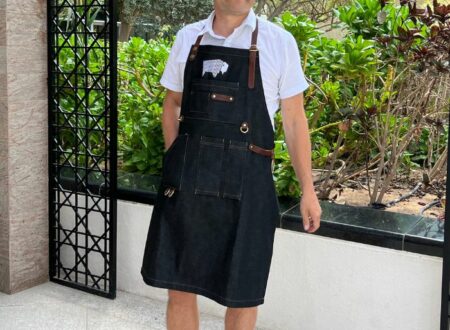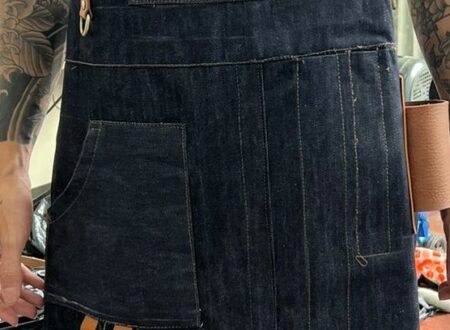

By September 2025 we have 109 verified five-star reviews. We have been collecting them since the first Gaucho shipped in 2022. Here is what three years of honest customer feedback actually looks like — the patterns, the surprises, and the one critical review that led to a real change.
What the data shows
The word that appears most frequently across all 109 reviews is “quality”. Not “nice” or “good” — quality. Customers are consistently registering that what arrived exceeded their expectation of what a handmade UK product at this price point would feel like. The most common short phrase is some variation of “better than expected”. That is a useful signal. It means the product is outperforming the pre-purchase impression, not just matching it.
The most common context for a review is a gifted product where the recipient responded well. Someone bought the Gaucho as a gift, the recipient used it and told them what they thought, and the buyer came back to leave a review. That is a different review dynamic from a self-purchase — it is mediated by someone else’s reaction, which means the assessment tends to be specific and concrete rather than vague and positive.
The one critical review
We received one two-star review in three years. It related to sizing — the customer’s expectation of fit did not match the product. We added a detailed sizing FAQ to the product page as a direct result. Not defensively, not to argue with the review — because the feedback identified a genuine information gap that we had not filled. That is what useful criticism looks like: it points to something specific that can be fixed.
What reviews cannot tell you
Reviews capture the first impression — the moment the product arrives, the initial use, the recipient’s reaction. They cannot tell you what the product looks like after 200 sessions at the fire, or whether the seams held three winters later. That data comes from the Grill, where we use our own kit continuously. The reviews confirm that the first impression matches the promise. The Grill confirms that the product holds up over time. Both are necessary. Neither is sufficient alone.
The buy-once promise also means that many of our best customers will never need to review again. They bought it, they kept it, they are still using it. That is a different success metric — harder to display on a product page, but more meaningful than repeat purchases driven by products that wear out.