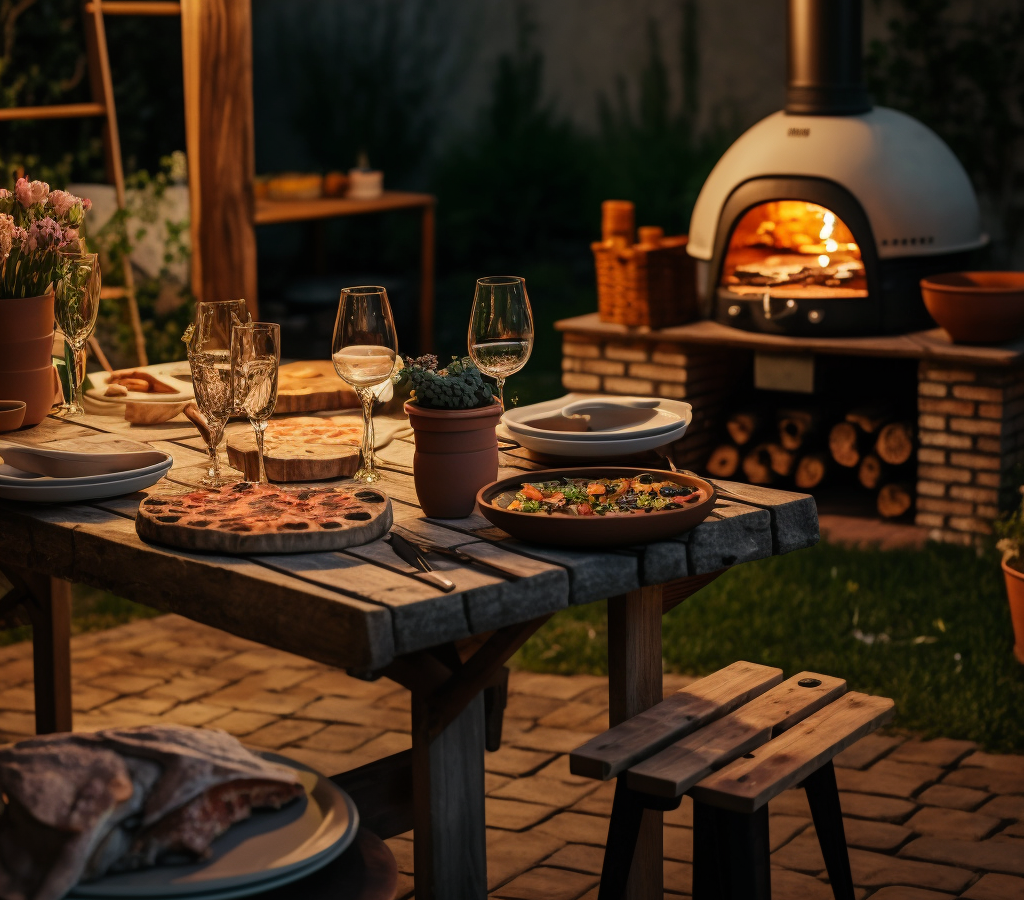
It started the way most useful product ideas start: with something breaking at exactly the wrong moment. We were mid-cook, brisket on the fire, and the long fork we’d been using for two years finally bent under pressure. Not a dramatic snap — just a slow buckle that meant it was useless from that point on. It joined a list that had been growing for a while.
What Was Failing and Why
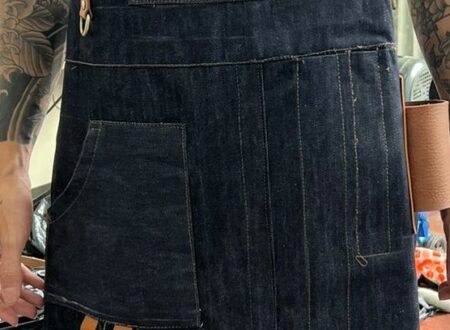
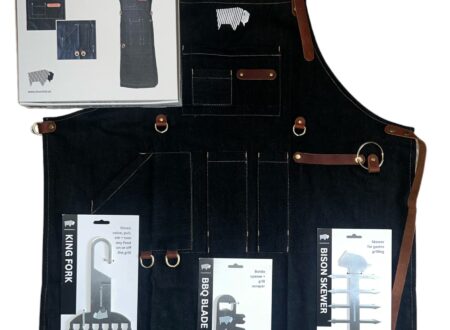
We started keeping notes. Not a formal document at first, just a habit of writing down what let us down during a cook and why. Within a few months, the pattern was obvious. The apron soaked through with fat within the first hour. The skewers spun in the hand when you tried to turn meat — a design flaw that made them nearly useless over live fire. The tools that held up were the old ones, inherited or found; the new ones, bought from mainstream BBQ retailers, were built to a price point that assumed gas cooking and short sessions.
A Market Built for Gas Grillers
The more we looked, the clearer it became that almost everything sold as BBQ kit in the UK had been designed around gas grilling. That’s not a criticism — gas grilling is how most people cook outdoors in the UK. But live fire cooking is a different discipline. The temperatures are different, the cooking times are longer, the environment is less controlled, and the physical demands on the cook are higher. A fork that works fine for fifteen minutes over a gas flame will fail after an hour over hardwood. An apron rated for kitchen use won’t protect you from sustained fat splash outdoors.
The Questions We Started Asking
We started asking a different kind of question. Not “what’s available?” but “what would we actually want to cook in?” What would an apron look like if it was designed entirely around an outdoor live-fire cook — the heat, the duration, the tools you need at hand? What would tools look like if they were built for that specific environment rather than adapted from a kitchen or gas-grill context?
UK outdoor cooking was growing fast. The pandemic had accelerated it considerably. More people were cooking outside, more people were moving toward fire. But the specialist kit hadn’t kept up with that shift. The market was serving the gas-grill majority and leaving fire cooks to work with tools that weren’t made for them.
That gap was where Bison Hill started. Not from a business plan, but from a series of weekend fires and a growing list of things that didn’t work.