Choosing the right material for the Gaucho BBQ Grill Apron wasn’t a process of narrowing down options from a shortlist. It was a process of elimination. We tested five material categories before arriving at 12oz heavy denim, and each rejection was for a specific, documented reason.
What We Tested and Why It Failed
- 8oz denim: The obvious starting point, but immediately too light. Fat splash from a pork shoulder at high temperature soaks through 8oz denim in under a minute. It also loses its structure after repeated washing, which matters for a working apron.
- Waxed canvas: Popular in workwear and looks the part outdoors. The problems: wax coating cracks with sustained heat exposure, making it brittle over time; difficult to wash properly; and the wax can transfer to hands and food. A good material for cold-weather outerwear. Not suitable for repeated exposure to a live fire.
- Leather: Traditional, durable, protective. Also heavy, hot during a four-hour cook, difficult to clean after fat and smoke, and expensive in the weights required for genuine protection. We kept leather as a reference point for protection standards but ruled it out for daily wearability.
- Neoprene: Protective and lightweight, but the feel is wrong for this application. Neoprene traps heat against the body during extended outdoor cooking — uncomfortable in summer conditions. The aesthetic also sits outside the functional, durable tradition we were designing toward.
Why 12oz Denim Works
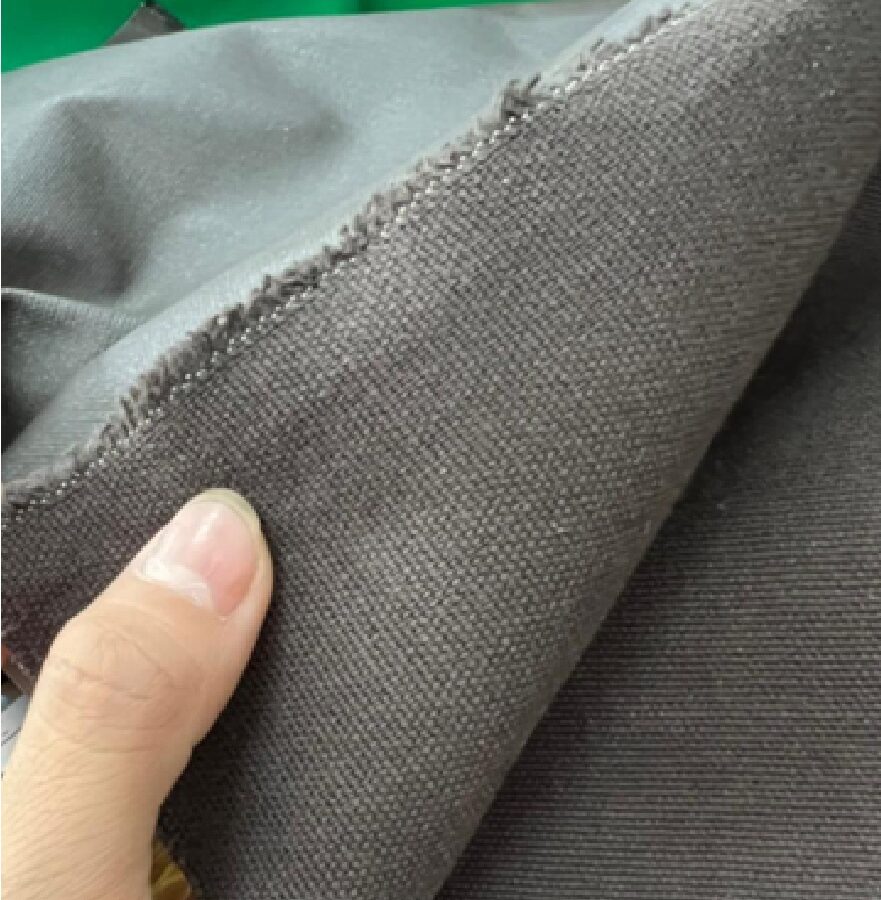
12oz heavy denim hits all the requirements simultaneously. The weight provides genuine protection against fat splash and sustained radiant heat. The structure holds across multiple washes without degrading. Cotton denim is breathable in a way that synthetic materials aren’t — relevant when you’re standing at a fire for several hours. And critically, heavy denim improves with use: it softens to the wearer’s movements while retaining its structural integrity. A good denim apron after two years of use is better than a new one.
Finding the right supplier took three approaches. The first two couldn’t supply the weight specification we needed at small batch quantities. The third could, understood what we were building, and has been our material partner since. That relationship is part of what makes the product consistent.
The material decision came before the first prototype. Get the material wrong and no amount of design refinement fixes it.