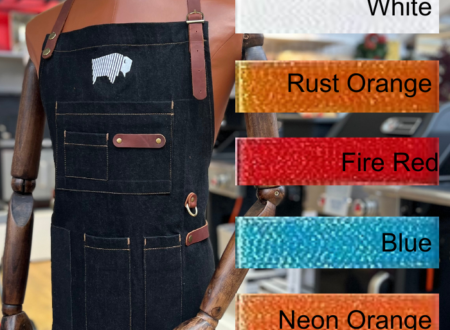
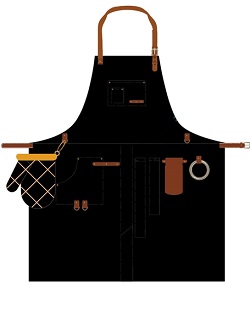
Before we cut a single piece of fabric, we wrote a requirements brief. This is unusual for a consumer product — most apparel development moves straight from concept sketch to sample. We didn’t. The brief came from an industrial design background where you define success criteria before you start building, so you know when you’ve actually met them.
The Twelve Requirements
We wrote twelve specific requirements for the Gaucho BBQ Grill Apron. Each one was concrete and testable:
- Genuine heat and fat protection — material must block fat splash at cooking temperatures
- Phone-accessible chest pocket — wide enough for a modern smartphone, positioned for one-handed access
- Dedicated probe thermometer pocket — vertical, narrow, accessible without putting down tools
- Tool loops — for tongs, brush, or skewers
- Adjustable fit for different body builds — not a one-size garment
- Straps that don’t chafe or cause fatigue over four hours of continuous use
- Full-length front skirt — covering thighs when bending to a low grill
- Washable at home — a working apron must be maintainable
- UK-made construction
- 12oz minimum fabric weight
- Hardware that doesn’t corrode or discolour with heat and smoke
- Functional bottle opener integrated without compromising the apron’s primary function
Testing the Market Against the Brief
Once we had the twelve requirements, we went back through every apron we’d tested and scored each one against the list. The results were stark. The best-performing product on the market passed five of our twelve requirements. Most passed two or three. Several failed on the most basic criteria — fabric weight and genuine protection — before you got to anything else.
This exercise confirmed two things. First, the gap in the market was real and specific, not a vague sense that things could be better. Second, we had a clear design target: a product that passes all twelve requirements, not a product that improves on the average by a small margin.
Why the Brief Mattered
The requirements brief became the reference document for the entire development process. When we were evaluating prototypes, we scored them against the twelve requirements. When a prototype passed all twelve, we’d be done. That happened with prototype four, eleven months after we wrote the brief. The brief is why the Gaucho has eight integrated utility features rather than however many looked good on a sketch.