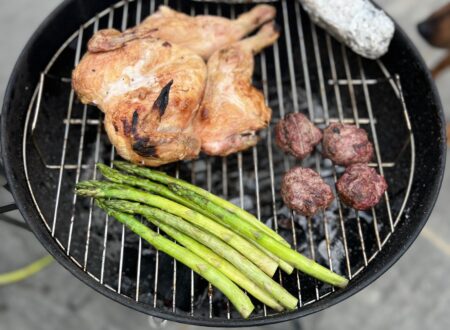
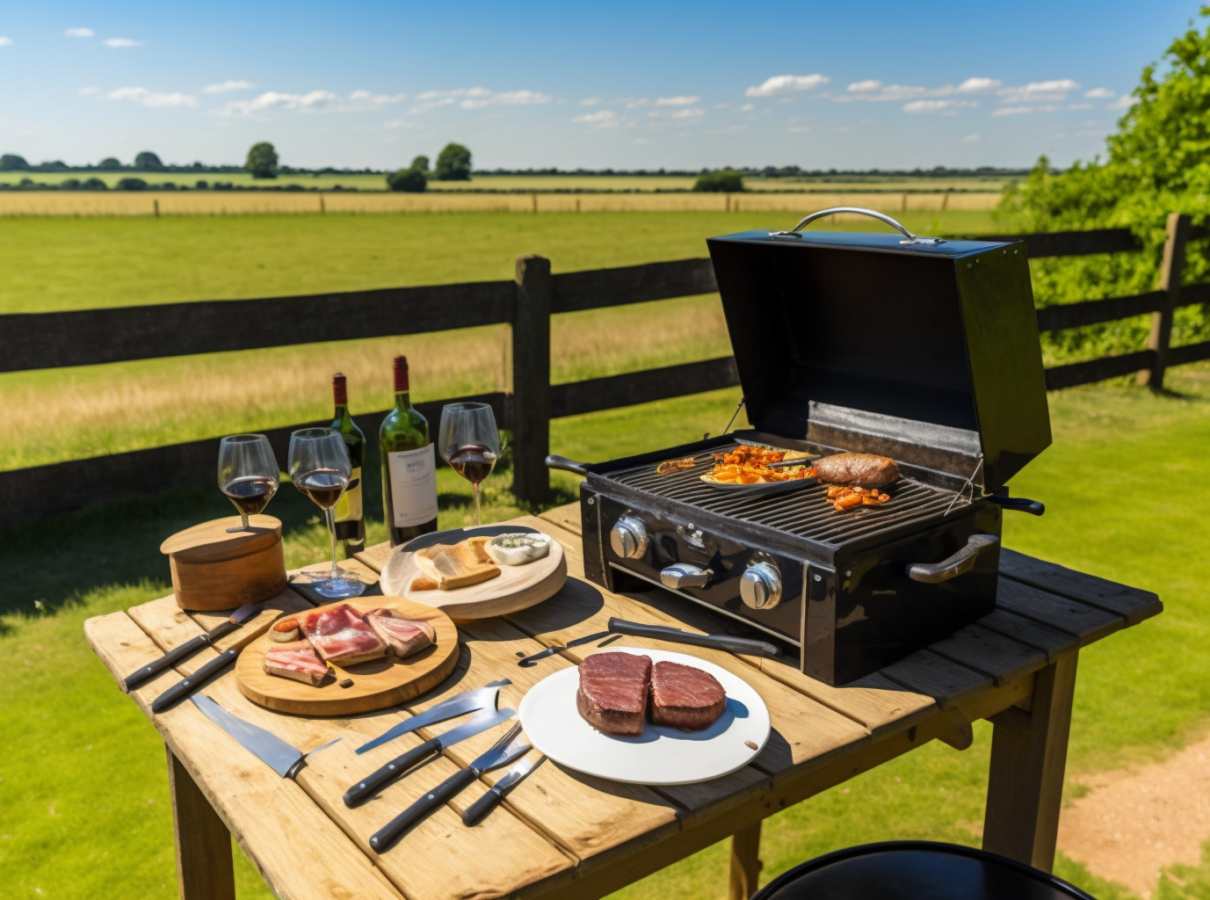
The first official Bison Hill Grill event was a private garden party in Surrey in July 2023. Thirty-five guests. Five hours on the fire. A menu that made real demands on both the kit and the cooks: brisket, whole chicken, lamb shoulder, and seasonal vegetables — four different protein and fat profiles running simultaneously on a live fire kitchen.
What Worked
The Gaucho BBQ Grill Apron performed without issues across the full five hours. We’d tested the apron at length before launch but wearing it for five consecutive hours of commercial service is a different test. Strap comfort held. Pockets functioned correctly under repeated use. Protection was what it needed to be.
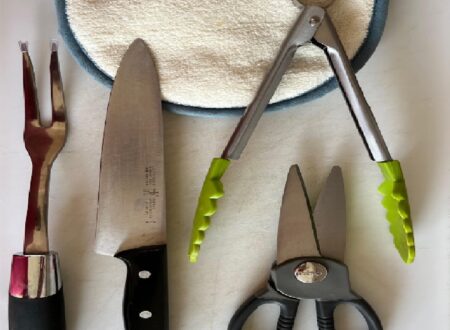
The King Fork handled the brisket without any flex under load. The specific failure that generated the King Fork brief — the bent fork incident that prompted the whole development — did not occur. The fork performed exactly as specified. That’s the most useful kind of product validation.
What Failed
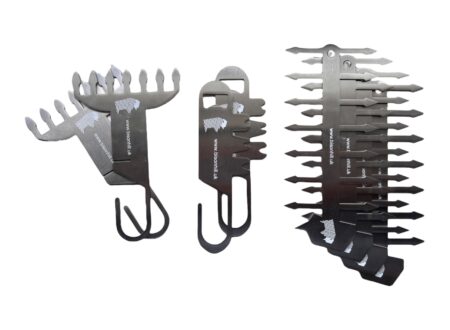
The skewers we used for the appetiser course were standard round-rod market skewers. We hadn’t yet produced the Bison Skewer — it was in development at the time. Several of the threaded appetisers rotated during cooking. Food shifted. Presentation suffered. It was the kind of failure that’s minor at a dinner party and unacceptable in a professional kitchen.
That single incident pushed the Bison Skewer to the top of the development queue. The solution was already in development, but the event confirmed the priority.
The Grill as a Testing Lab
We left the first Bison Hill Grill event with six kit improvement notes. Not complaints — observations. Things that worked but could work better. Things we wanted to change before the next event. The Grill became what we’d intended it to be: a real-world testing environment where the kit performs under actual commercial conditions and the findings feed directly back into development.