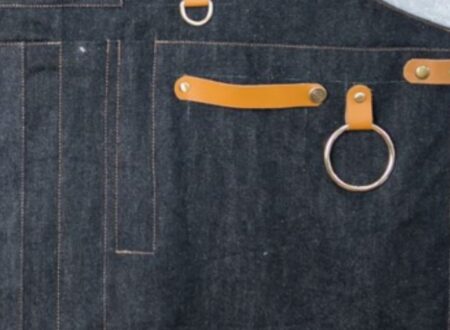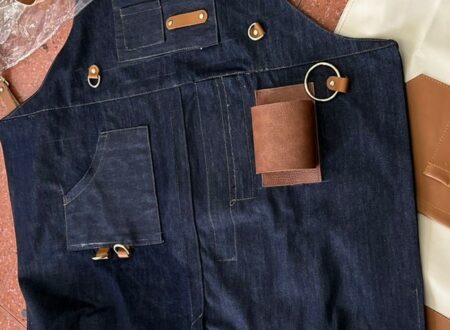
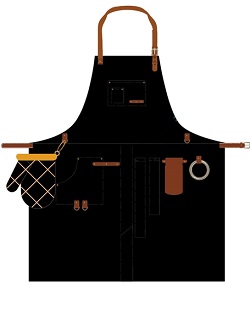
The first physical prototype of the Gaucho BBQ Grill Apron arrived in January 2022. We’d been working with sketches and requirements documents for months. Holding the actual object in your hands for the first time is a different kind of information.
The Immediate Issues
Some problems were visible before we lit a fire. The neck strap hardware rubbed against the skin at an angle we hadn’t anticipated from the sketch — a function of how the crossback strap geometry put tension through the neck attachment point. The front skirt was 8cm too short: standing upright it looked right, but bending to a low grill left a gap between the apron and the knees. The phone pocket wasn’t wide enough for a current-generation smartphone. We knew going in that modern phones had got wider; the prototype hadn’t fully accommodated that.
The weight of the finished piece was heavier than we’d expected from the material specification alone — the hardware and construction added meaningful weight. That turned out to be a positive. The apron feels substantial and serious in a way that lighter versions wouldn’t.
The Fire Test
We took it to the fire as soon as we could. The fundamental design was validated immediately. The heat protection from the 12oz denim was exceptional — better than anything we’d tested in the market research phase. Fat splash from a pork cook didn’t penetrate. The crossback strap configuration distributed the weight across the shoulders in a way that felt natural from the first wear.
The front pocket placement was better than expected in use. We’d spent considerable time on this at sketch stage and the execution was right: thermometer accessible without putting down tools, phone reachable one-handed.
What failed: the strap buckle scratched the forearm when reaching across the grill — a geometry issue with the specific hardware used. The bottle opener needed repositioning (too high for comfortable use). The towel ring was in an awkward spot at the waist — accessible but not convenient.
What Prototype One Taught Us
We documented fourteen specific changes needed. The more important lesson was broader: the concept was sound, the execution needed iteration, and this is exactly what a first prototype is for. The data you get from something failing in a specific way is more useful than a sketch that never gets tested. Every issue with prototype one gave us a precise brief for prototype two.
That’s how the design process actually works.