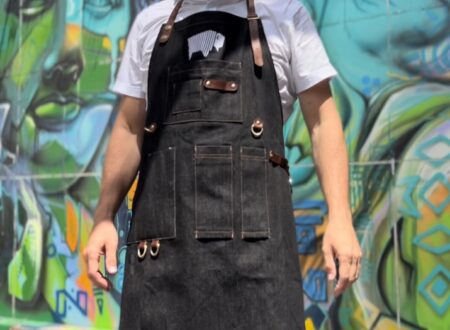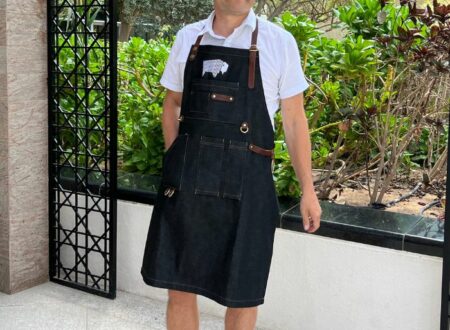
We ran eleven live-fire test sessions across four prototypes of the Gaucho BBQ Grill Apron. Each one was a minimum of three to four hours. Shorter sessions don’t reveal strap fatigue, don’t expose problems with pocket access under sustained use, and don’t produce the fat-splash scenarios that matter for protection testing. We knew this from the first session and built it into every subsequent one.
The Testing Conditions
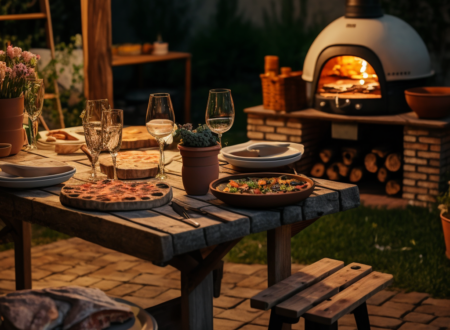
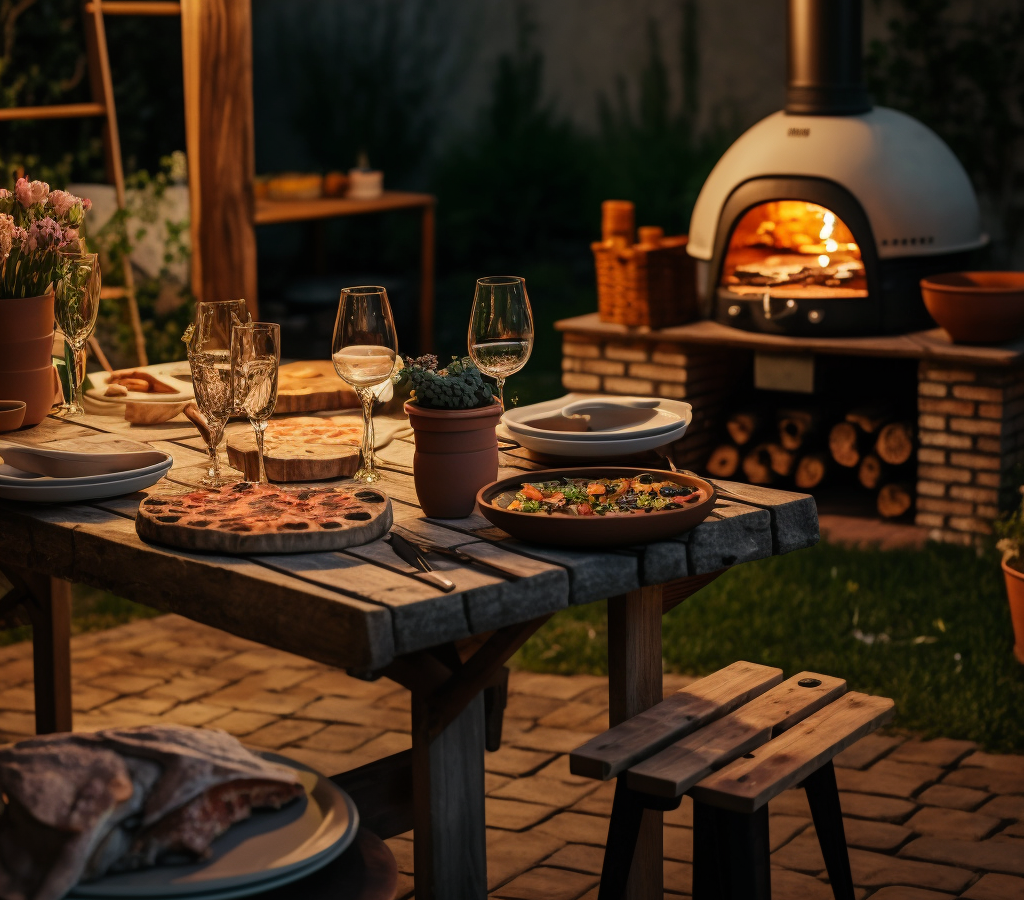
Every test involved actual cooking. Not controlled scenarios — real cooks producing food. The menu choices were deliberate: brisket, ribs, and whole fish. Each produces a different fat profile. Brisket runs hot fat at volume over a long cook. Ribs produce short, high-intensity fat events. Whole fish gives you a different kind of moisture and a different protection challenge. Testing with all three meant we weren’t optimising for one scenario at the expense of another.
What We Documented
Every session followed the same documentation process: photographs every thirty minutes during the cook, written notes immediately after the session, and verbal observations recorded while still wearing the apron — before the details faded. The immediate observations captured things the written notes wouldn’t: how a strap felt after two hours versus four, whether pocket access changed when we were fatigued versus fresh.
Specific testing criteria for each session:
- Heat bleed-through — whether fat splash protection held across the full cook duration
- Strap adjustment frequency — how often we had to re-set the fit
- Pocket access ease while holding tools
- Moisture absorption behaviour in the denim
What the Testing Produced
Every session note fed directly into the next prototype brief. Nothing sat in a file. If a test identified that the utility pocket angle created a reach issue at the three-hour mark, that was in the brief before prototype three was commissioned. Live-fire testing is only useful if the findings are actually used. Ours were. Every time.